
Interim Reparative Measures Project
For most of their lives, the three survivors from Kampot province had not been asked for their opinion. They had lived through the Khmer Rouge regime, carried its consequences for decades, and navigated a world that had largely moved on without acknowledging what they had endured.
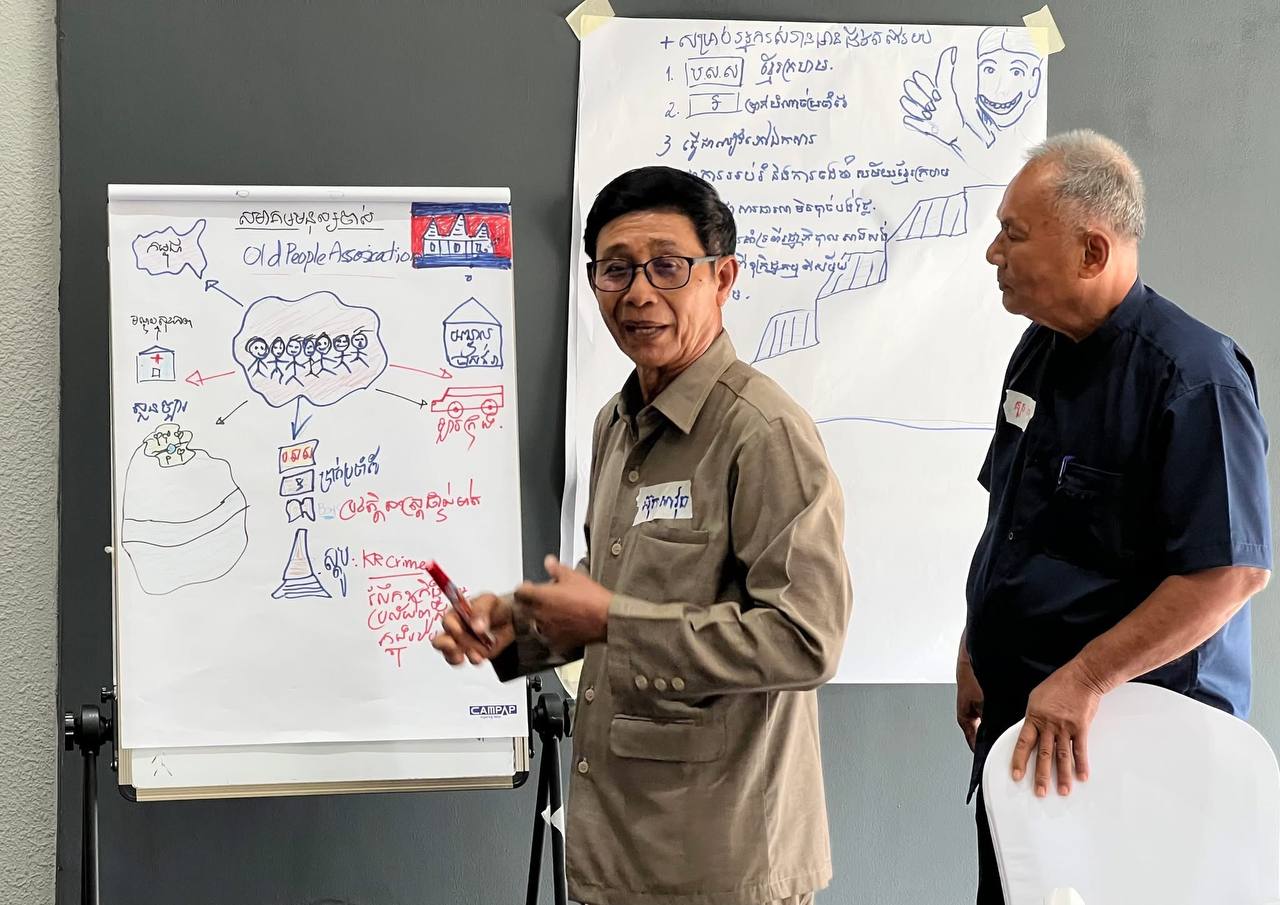
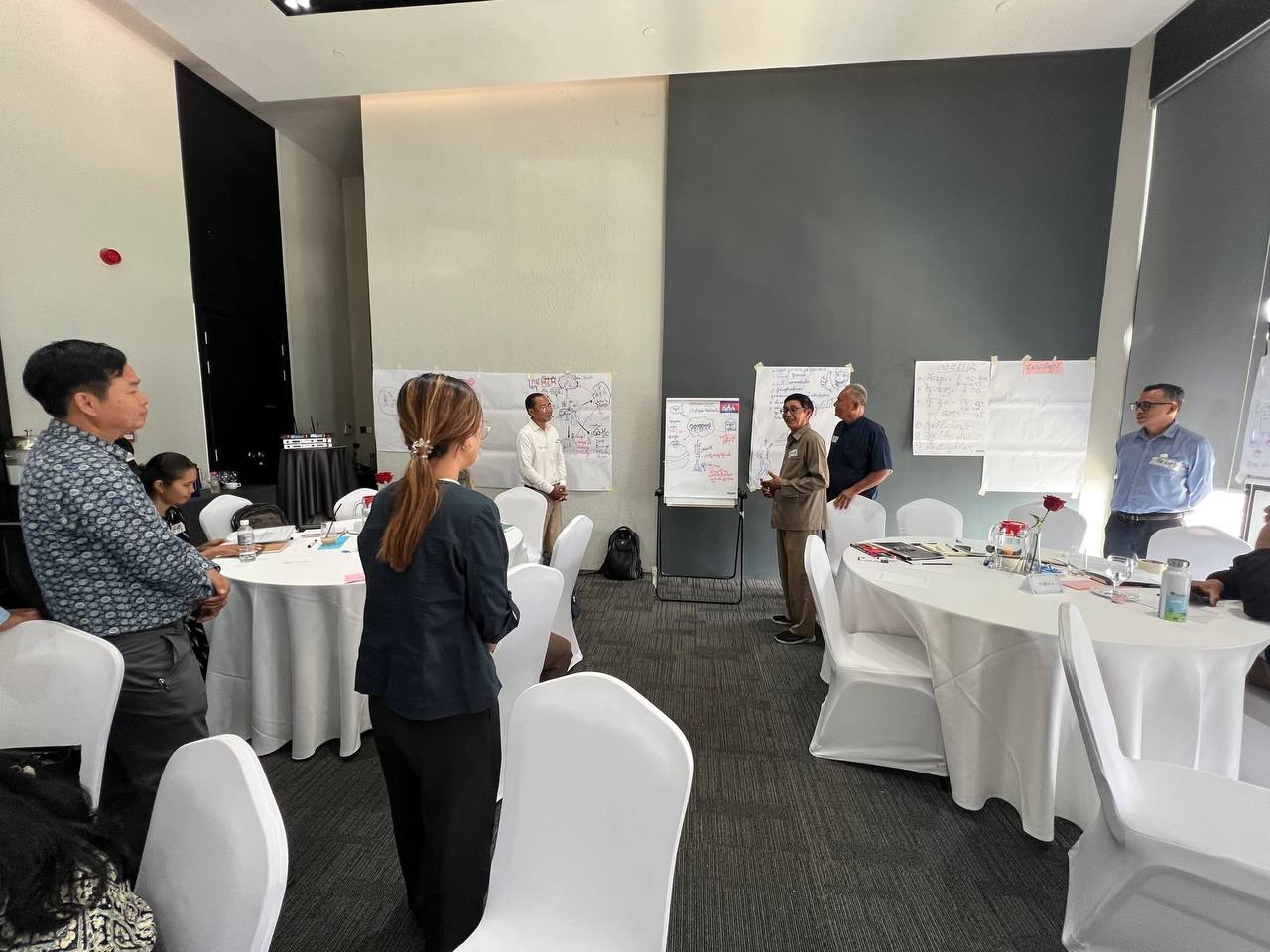
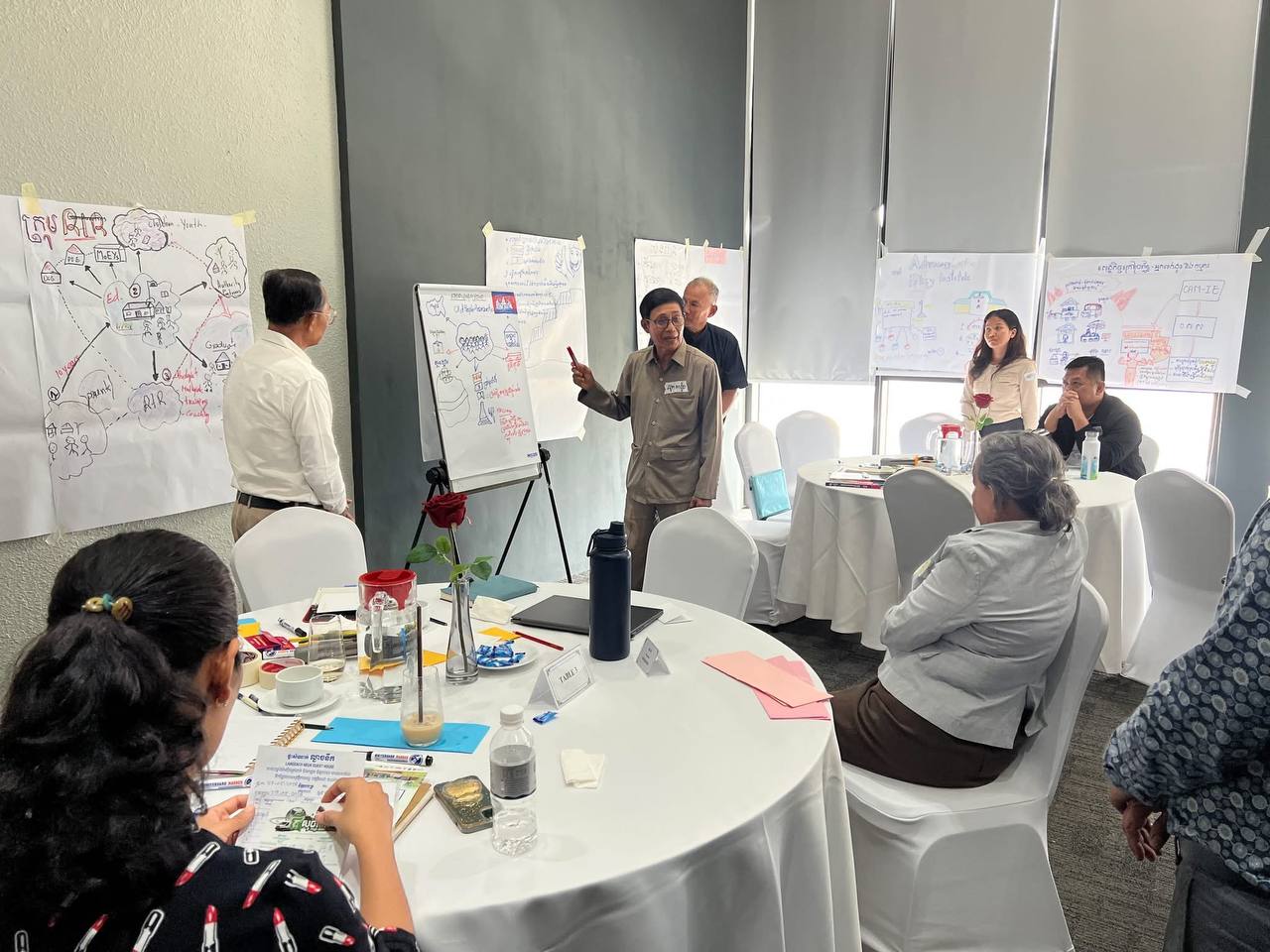
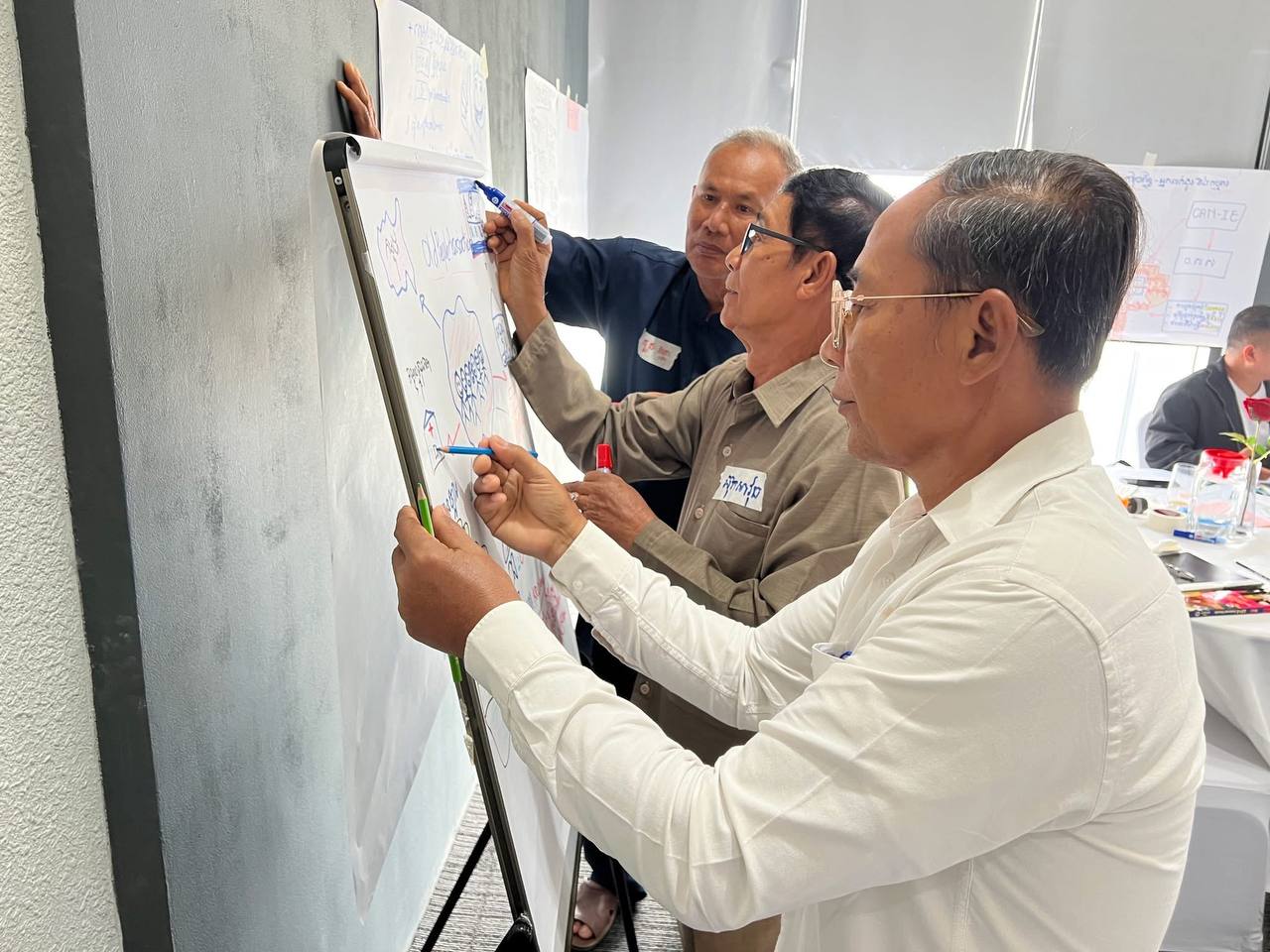
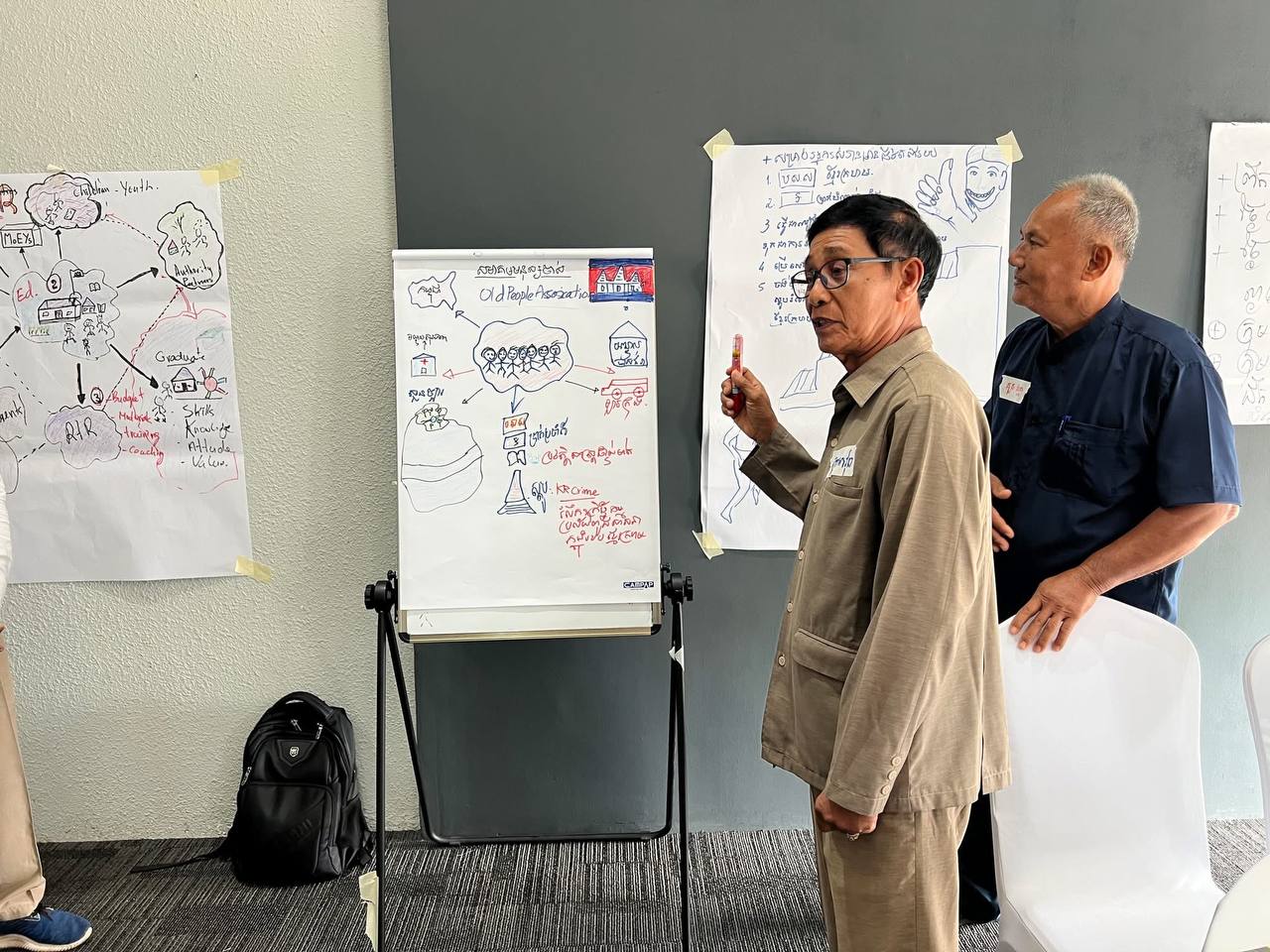
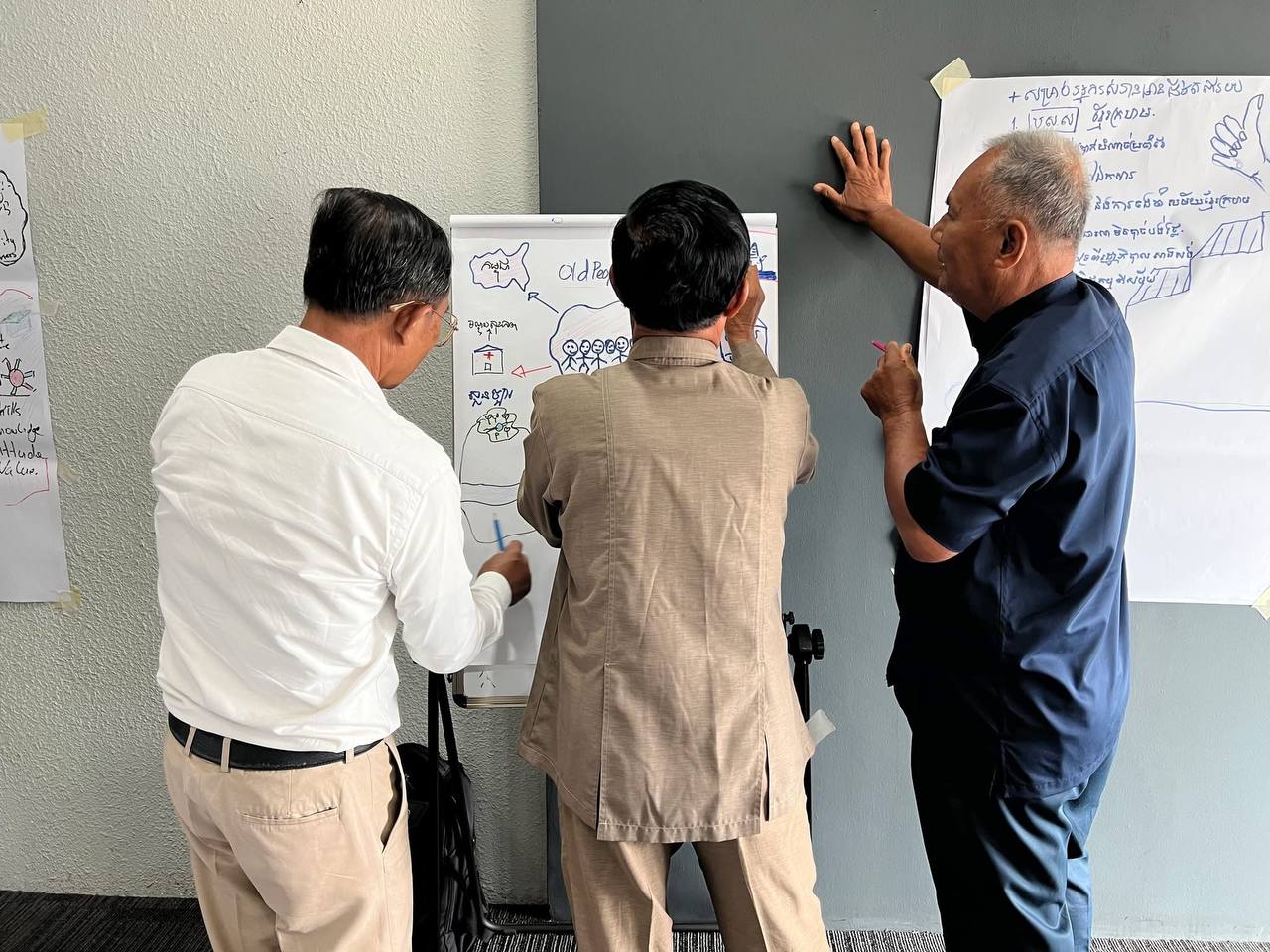
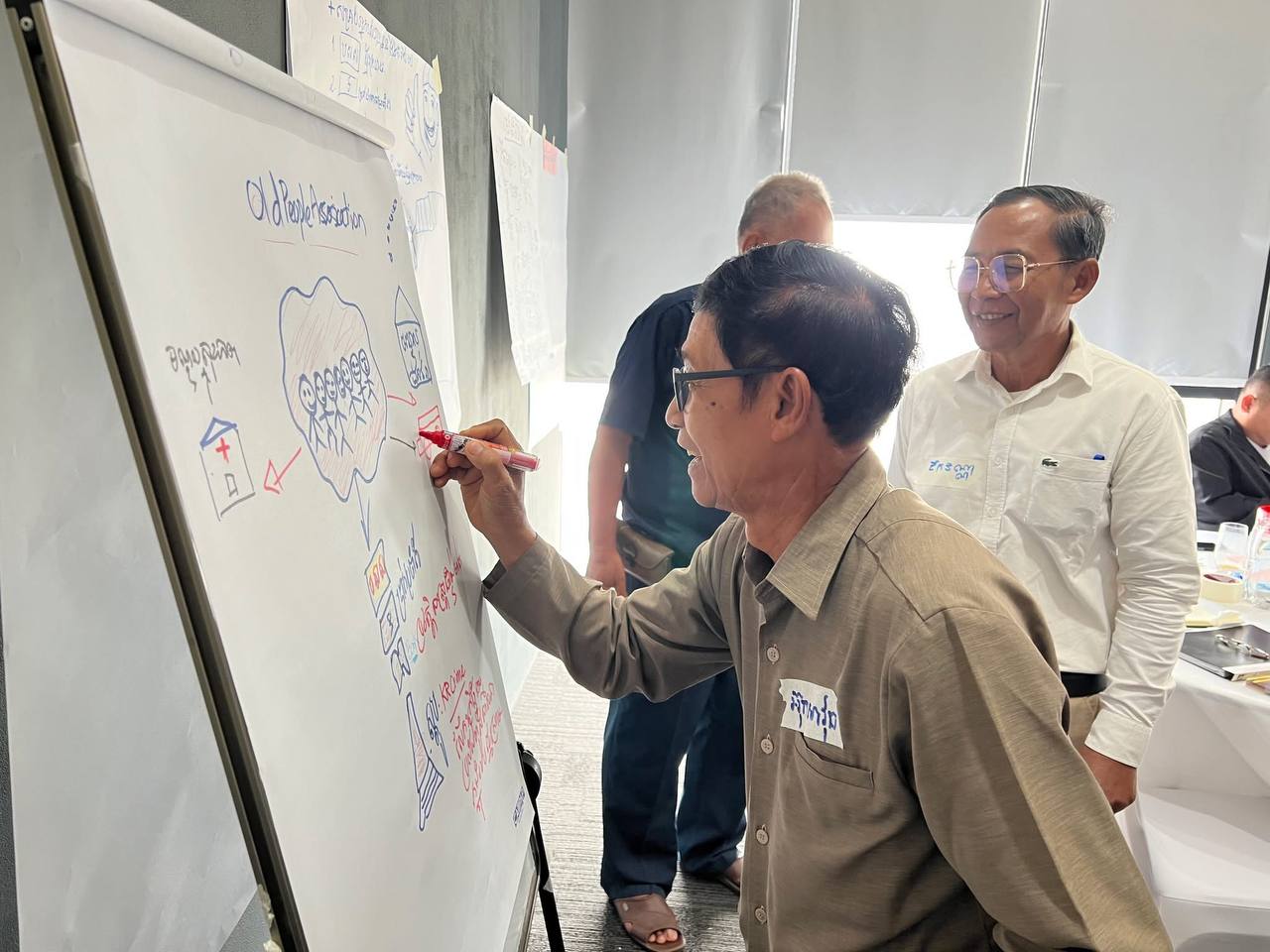
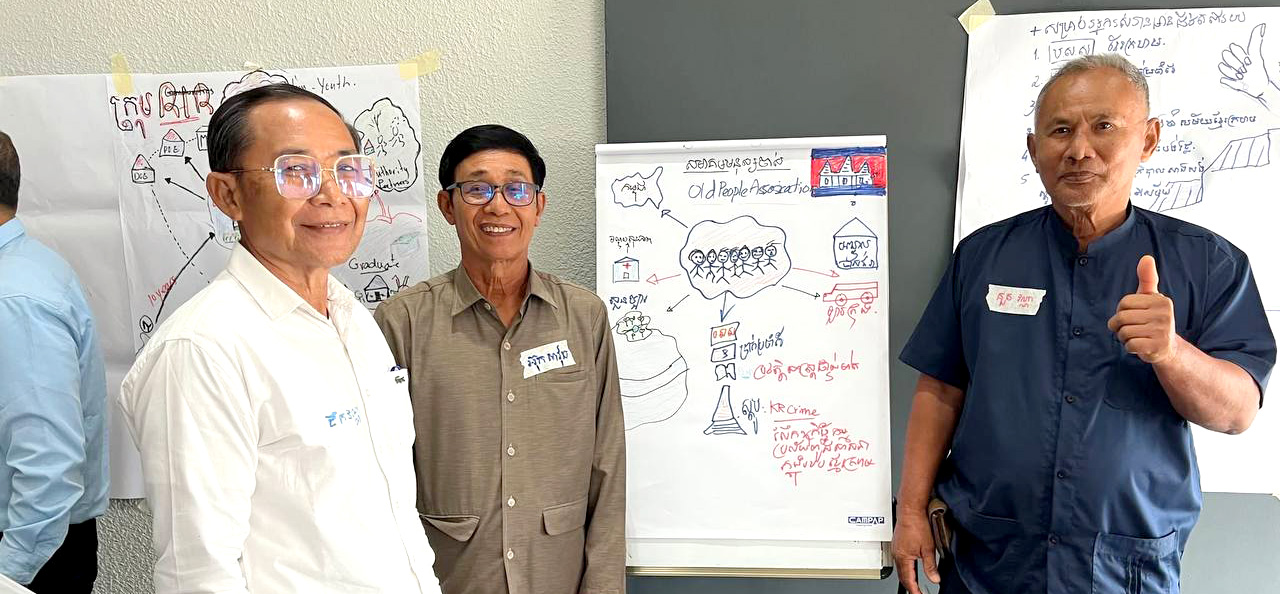
In June 2026, that changed in a new way. As representatives of the survivor community supported through the Interim Reparative Measures project, they travelled to Phnom Penh to participate in a five-day training on mobilizing support - organized by the Advocacy and Policy Institute (API).
For five days, they learned how to identify problems, develop solutions, and engage with the stakeholders and decision-makers who shape the systems that affect their lives. They arrived as survivors. They left as advocates.
Their participation is part of a broader commitment within the IRM project: that recognition and healing are not enough. Survivors should also have the knowledge, the confidence, and the tools to speak - for themselves, and for others like them.